Almost a million young people are neither working nor studying, and ministers have promised them a fundamental new settlement. It has no funding figure of its own, and the one borrowed figure in the release does not add up.
Estimated reading time: 5 minutes
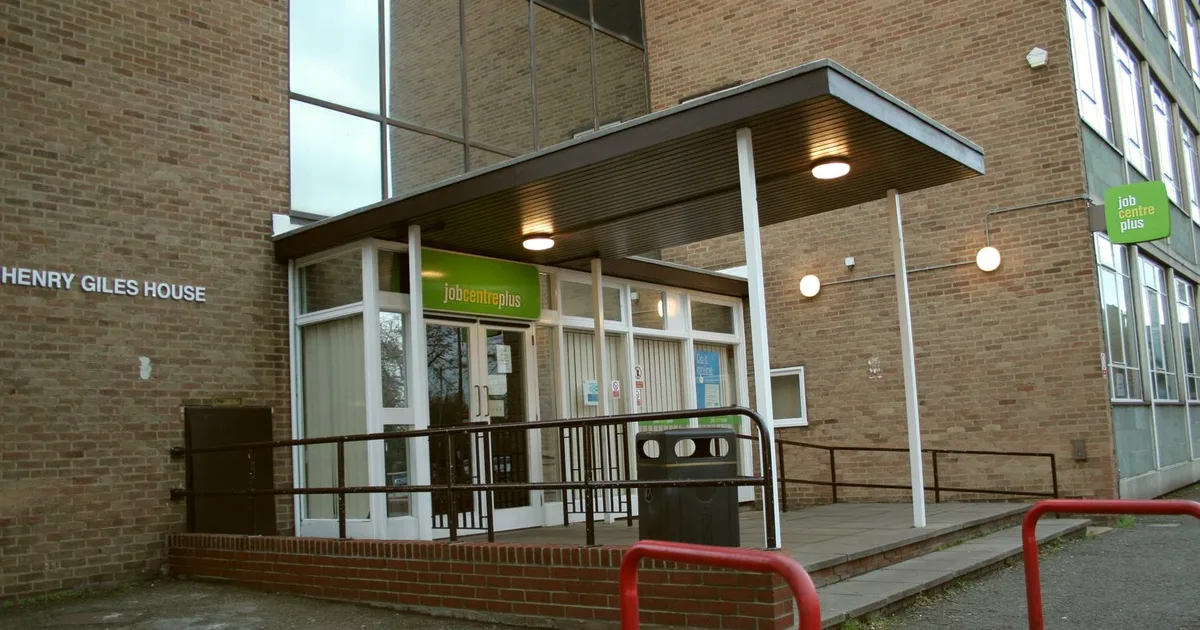

In short. Responding to Alan Milburn's independent review of youth unemployment, the Department for Work and Pensions announced three "immediate steps": a new locally-led youth service, an Opportunity and Support Guarantee, and a Youth Opportunities Unit reporting to the Prime Minister [1]. None of the three carries a funding figure, a start date beyond "from next year", or a named delivery mechanism: "further detail on local delivery arrangements, funding and implementation... will be set out in due course" [1], ahead of a White Paper "next year, with legislation to follow" [2]. The same release cites "4 billion pounds for SEND reform... including 1.8 billion pounds for specialist support in communities and 1.6 billion pounds for earlier support in schools" [1]: those two figures add to 3.4 billion, not 4 billion. Three documented mistakes: four stars.
Alan Milburn's review was commissioned to answer one question: why are close to a million 16 to 24-year-olds in the UK neither in education, employment nor training, a figure the review's own backers call close to a million and independent analysis puts at 940,000 as of 2024-25 [1] [3]. On 17 November 2026 the government published its response: a formal endorsement of Milburn's "core principles" and a "complete rethink" of how young people move from school into work [1]. The response itself, and the department's own plain-English explainer of it, are unusually direct about what is not yet decided.
What the "immediate steps" actually commit to
The release names three things happening now: a locally-led youth service bringing together employment, health and skills support from next year; an "Opportunity and Support Guarantee" that every young person will have a route to a college place, training, an apprenticeship, work experience or a job; and a new Youth Opportunities Unit reporting directly to the Prime Minister [1]. Each is announced without a budget line, a named local pilot, or a date beyond "next year". The release's own closing section is explicit about the gap: "further detail on local delivery arrangements, funding and implementation, including through legislation, will be set out in due course" [1]. The department's companion explainer confirms the timetable for closing that gap: "a White Paper setting out the full plans in detail will be published next year, with legislation to follow" [2], developed alongside four other reviews running in parallel: the Timms Review of the wider benefits system, SEND reform, mental health reform and the Rewiring the State devolution plan [2]. Today's announcement is an agreement to agree, twice deferred: once to the White Paper, again to the legislation that follows it.
The borrowed figure that does not add up
Where today's response needs evidence of momentum, it reaches for a figure from a different policy area. The same release states that the government's wider schools agenda "builds on 4 billion pounds for SEND reform in England, including 1.8 billion pounds for specialist support in communities and 1.6 billion pounds for earlier support in schools, so more children get the extra help they need" [1]. Add the two component figures the release itself gives and the total is 3.4 billion pounds, not the 4 billion pounds stated in the same sentence. It is a government press release unable to add two of its own numbers correctly in the one paragraph meant to demonstrate that money is already moving.
What came before, and what it has delivered so far
The new settlement is explicitly built on top of an existing scheme, the Youth Guarantee, which the release says "will help nearly one million young people into earning or learning, creating up to 500,000 opportunities" [1]. Its guaranteed-job element, the Jobs Guarantee, offers every eligible 18 to 24-year-old on Universal Credit a fully funded six-month job, and from April the qualifying wait falls from 18 months to 12 [1]. Independent analysis published when the scheme was first announced estimated how far a guaranteed paid placement of this kind would actually reach: "it will only scratch the surface of the problem, reaching an estimated 43,000 young people, just one-in-twenty NEETs" [3]. Seven months into delivery in its six pilot areas, DWP's own update this month discloses no comparable number: "hundreds of young people have already moved into employment through the Jobs Guarantee" is the only outcome figure given, even as the scheme is expanded nationwide with a target of "more than 90,000 young people into work by March 2029" [4]. The ambition has a precise, large number attached to its future; the scheme's actual record to date does not.
The claims, tested
| DWP's own words | What the evidence shows | Verdict |
|---|---|---|
| Three "immediate steps" start now: a locally-led youth service, an Opportunity and Support Guarantee, a Youth Opportunities Unit [1] | The same release says funding and implementation detail "will be set out in due course"; the department's own explainer defers the full plan to a White Paper "next year, with legislation to follow" [1] [2] | None of the three steps has a budget, a named pilot or a date beyond "next year". |
| The schools agenda "builds on 4 billion pounds for SEND reform... including 1.8 billion pounds... and 1.6 billion pounds" [1] | 1.8 billion pounds plus 1.6 billion pounds is 3.4 billion pounds [1] | The release's own cited evidence of momentum does not add up to the figure it states. |
| The existing Youth Guarantee "will help nearly one million young people into earning or learning, creating up to 500,000 opportunities" [1], with its Jobs Guarantee element now rolled out nationwide [4] | Independent analysis at launch estimated the guaranteed-job element would reach about 43,000 people, one in twenty NEETs [3]; DWP's own update after seven months of delivery discloses only "hundreds" placed, no total [4] | The scheme the new settlement is built on has a precise future target and an undisclosed, independently estimated small actual reach. |
Credit where due
Not everything in this response is open-ended. Narrowing the Jobs Guarantee's qualifying wait from 18 months to 12 is a specific, dated change: "from April", every eligible claimant reaches the guarantee six months sooner than today [1]. The guarantee itself is a concrete offer where it applies: DWP fully funds up to 25 hours of paid work a week for six months at the relevant minimum wage, matched to the participant's skills [4]. The Milburn Review itself was a serious piece of work, drawing on a panel of health, business and policy experts and direct engagement with young people, and the government's full acceptance of its "core principles" is a genuine commitment of political capital to a problem successive governments have left unresolved [1] [2].
The mistakes, counted
Three flagship commitments with no funding, no date and no mechanism (1). The locally-led youth service, the Opportunity and Support Guarantee and the Youth Opportunities Unit are announced today with detail "set out in due course" [1], deferred again to a White Paper "next year, with legislation to follow" [2].
A funding figure that fails its own arithmetic (2). The release's 1.8 billion pounds and 1.6 billion pounds add to 3.4 billion, not the 4 billion pounds stated in the same sentence [1].
An undisclosed delivery figure for the scheme this settlement is built on (3). Independent analysis at launch put the Jobs Guarantee's likely reach at 43,000 of roughly 940,000 NEETs [3]; DWP's own seven-month update discloses only "hundreds" placed, with no total, while the Youth Guarantee's own aspiration is "nearly one million" [1] [4].
Verdict
Four stars, from three documented mistakes. The scale of the problem is real and the government's acceptance of Milburn's "core principles" is not in dispute. What the department's own words do not support is the impression of a plan already in motion: three headline commitments with no funding attached, a supporting figure that cannot add itself up, and a predecessor scheme whose actual delivery the department will not yet put a number to.
The star score counts three documented mistakes against DWP's 17 November 2026 press release and its companion explainer, each tested against the document's own text or independent analysis: the three "immediate steps" (locally-led youth service, Opportunity and Support Guarantee, Youth Opportunities Unit) carrying no funding, date or mechanism beyond "in due course" and a White Paper "next year"; the release's own 1.8 billion pounds and 1.6 billion pounds SEND figures not summing to the 4 billion pounds claimed in the same sentence; and the Jobs Guarantee's undisclosed delivery total after seven months, against the Resolution Foundation's independent 43,000-person estimate and the Youth Guarantee's own "nearly one million" aspiration. Three falls in the 1 to 3 band: four stars; the bands are on the ratings page. This piece makes no finding that the Opportunity and Support Guarantee or the Jobs Guarantee are the wrong response to youth unemployment, only that today's announcement commits no money and the one figure it does cite does not add up.
Sources
- Government commits to new settlement for young people and to invest in success rather than pay for failure, Department for Work and Pensions, 17 November 2026
- The independent Young People and Work Review: what it means for young people, Department for Work and Pensions, 17 November 2026
- False starts, Resolution Foundation, 21 October 2025
- 90,000 young people furthest from work to be given guaranteed job no matter where they live, Department for Work and Pensions, 14 November 2026