A Home Office factsheet says tightening Article 8 rules will save the taxpayer billions. Its own impact assessment prices that reform as a two billion pound cost, and regulators call it not fit for purpose.
Estimated reading time: 7 minutes
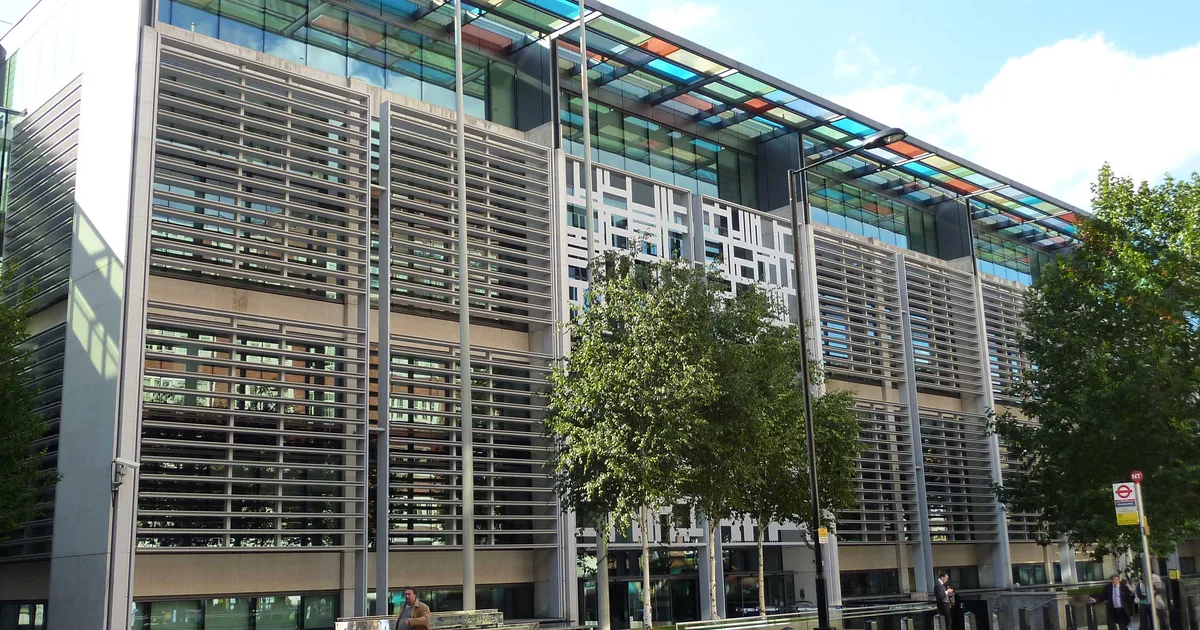

In short. The Home Office published seven factsheets for the Immigration and Asylum Bill on 8 October 2026 [1]. The Article 8 factsheet's "Key statistics" lead with a net lifetime fiscal cost of 141,000 pounds per Article 8 grant, worth 4.9 billion pounds across the 2025 cohort [1]. The Bill's own impact assessment prices the Article 8 reform itself, not the cohort it is replacing, as a net cost of 1,982.2 million pounds over ten years [4], and the Regulatory Policy Committee has already rated that assessment "not fit for purpose" for this exact measure [5]. A second factsheet promises a new appeals body will be swift and fair; the same impact assessment says it cannot cost that body at all [4]. Two documented mistakes: four stars.
The Immigration and Asylum Bill had its second Commons committee sitting on 15 September 2026, and on 8 October the Home Office published seven public factsheets to go with it, covering everything from modern slavery to a new appeals body to the reform at the centre of the Bill: Article 8 of the European Convention on Human Rights, the right to family and private life [3]. Factsheets are meant to be the honest, plain-English version of a Bill, written for people who will never open an impact assessment. The trouble is that this one and its own impact assessment do not tell the same story.
What the factsheet says
The Article 8 factsheet is direct about why the government is legislating: "Article 8 rights are currently leading to high numbers of people, who would not otherwise have the right to live in the UK, being able to come or stay here" [1]. Its "Key statistics" section then puts a number on the problem: "The Home Office estimates that each main applicant granted on the basis of Article 8 presents a net lifetime fiscal cost to the taxpayer of £141,000 per person (this cost when applied to the cohort of main applicants granted on the basis of Article 8 in 2025 is estimated at £4.9 billion)" [1]. A second factsheet, on the new Independent Immigration Appeals Authority (IIAA), promises the replacement body "will deliver a faster, more streamlined approach that is fair, independent, and better able to deal with high volumes of cases" and will "restore public confidence" in a system with around 90,000 outstanding asylum appeals as of June 2026, a 51 per cent rise on the year before [2].
Both numbers are real. Neither is the whole picture the Bill's own paperwork provides.
The claims, tested
| The factsheet's own words | What the cited impact assessment actually shows | Verdict |
|---|---|---|
| "The Home Office estimates that each main applicant granted on the basis of Article 8 presents a net lifetime fiscal cost to the taxpayer of £141,000 per person... estimated at £4.9 billion" for the 2025 cohort [1] | The £141,000 figure is a lifetime cost of the existing Article 8 caseload, not a costing of the reform Parliament is being asked to pass. The impact assessment's own summary table says plainly: "Whilst the NPSV for the 10-year appraisal period is negative, costs incurred from this cohort are greater when measured over the longer term" (page 9) [4]. Its Table 4 prices the reform's ongoing costs over the 10-year appraisal period at a central 1,982.2 million pounds, driven by 1,099.5 million pounds in lost tax revenue and 529.4 million pounds in lost visa and immigration health surcharge fees as people who would have stayed and worked are refused instead (page 49) [4]. The Regulatory Policy Committee rated the whole assessment "not fit for purpose" on 11 August 2026, finding it "does not demonstrate that credible alternative approaches to the proposed Article 8 reforms were considered" [5] | The 4.9 billion pound figure describes a cost that already exists, not one this Bill removes within the 10 years its own impact assessment covers. On the government's own costed numbers, the reform itself is a net cost, not a saving, and the department's own regulator says the sums behind it were not fit for purpose |
| The IIAA "will deliver a faster, more streamlined approach that is fair, independent, and better able to deal with high volumes of cases" and will "restore public confidence" [2] | The impact assessment rates this measure, Pillar 1, "Uncertain" and says so without qualification: "it has not been possible to provide an estimate of the costs of creating an IIAA at this stage, nor quantify the associated benefits. The Home Office assesses that the benefits are likely to outweigh the cost, though this cannot be evidenced at this time" (page 9) [4] | The factsheet states the new body's success as fact. The document that is supposed to prove it says the opposite: neither the cost of building it nor the benefit of running it can be put in a number yet |
Credit where due
The appeals backlog this Bill is responding to is real and the factsheet does not inflate it: 90,000 outstanding asylum appeals, 61,000 new cases lodged against only 31,000 decided in the year to June 2026, and a mean clearance time of 65 weeks, 13 weeks longer than the previous quarter [2]. And unlike many government Bills, the Home Office published the Regulatory Policy Committee's critical opinion on GOV.UK rather than leaving it to be found by request, alongside the impact assessment it criticises [5]. The underlying arithmetic in the impact assessment is also laid out in enough detail, assumptions and all, that it can be checked against the factsheet it later contradicts, which is exactly what this piece has just done.
The mistakes, counted
A headline savings figure describes the problem the Bill is leaving behind, not the cost of the Bill itself (1). The 141,000 pound lifetime figure and its 4.9 billion pound total measure the existing Article 8 caseload's cost to the taxpayer over a lifetime that runs well beyond ten years. The reform's own costed impact over the 10-year appraisal period that Parliament is actually being asked to approve is a net 1,982.2 million pound cost, not a saving, principally in lost tax revenue and lost visa fees [4]. The factsheet's "Key statistics" section does not carry that figure, and the Regulatory Policy Committee has already rated the assessment behind the measure not fit for purpose [5].
A new appeals body is promised as fair and effective before its cost or benefit can be measured (2). The IIAA factsheet states what the new body "will deliver" as settled fact [2]. The impact assessment that is meant to support that claim says it has not been possible to cost the body or quantify its benefits, and rates the whole measure "Uncertain" [4].
Verdict
Four stars, from two documented mistakes. The appeals backlog behind this Bill is genuine and well evidenced, and the department has not hidden the regulator's criticism of its own sums. But a factsheet is the document most people will actually read, and this one leads with a number that describes the cost of doing nothing, not the cost of doing something, while the Bill's own impact assessment prices the reform itself as a net cost and the government's regulator has already said the assessment is not fit for purpose. A reader who stops at the factsheet comes away believing the opposite of what the Bill's own paperwork says.
Sources
- Immigration and Asylum Bill: Article 8 reform, Home Office, published 8 October 2026
- Immigration and Asylum Bill: Independent Immigration Appeals Authority, Home Office, published 8 October 2026
- Immigration and Asylum Bill: Overarching factsheet, Home Office, published 8 October 2026
- Immigration and Asylum Bill, Impact Assessment, Home Office, HO IA 1029, 30 June 2026
- RPC opinion: impact of Immigration and Asylum Bill, Regulatory Policy Committee, 11 August 2026