In December 2024 the government set developers a public target: fix 80 percent of their unsafe buildings by July 2026. Its own July 2026 figures, published three months late, say 47 percent.
Estimated reading time: 7 minutes
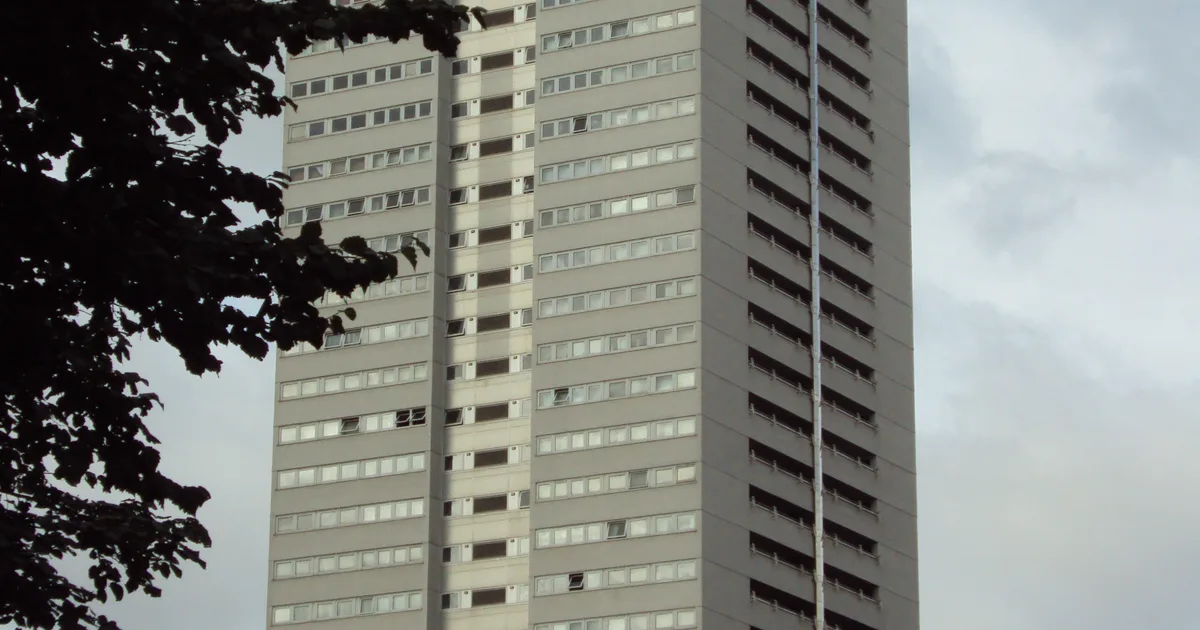

In short. The government's December 2024 Remediation Acceleration Plan gave developers a named, dated target: 80 percent of the buildings they are responsible for started or completed by July 2026. MHCLG's own monthly data release is titled after the month it reports, but developer figures inside it are structurally three months behind every single one, a pattern that holds across every release checked. The closest reading available for July 2026, data collected in April, shows 47 percent, unchanged for three straight months. The Building Safety Act's own remediation order and remediation contribution order powers, created specifically to compel non-compliant landlords, do not appear anywhere in the department's flagship monthly progress report, which instead cites Housing Act 2004 powers that predate the Act by eighteen years. Three documented mistakes: four stars.
The Building Safety Act 2022 was Parliament's answer to Grenfell: a Building Safety Regulator, new duties on building owners, and new legal powers to make landlords pay for defects they caused. Three years on, the department that administers it publishes a monthly scorecard of its own progress. Read against the targets the government itself set, and the powers the Act itself created, that scorecard tells a story the department did not headline.
The claims, tested
| The document's own words | What the record actually shows | Verdict |
|---|---|---|
| The Remediation Acceleration Plan, December 2024: government will "encourage and support developers to achieve their stretch target to start or complete remedial works on 80% of the buildings for which they are responsible by July 2026, and on 100% of those buildings by July 2027" [1] | The July 2026 Building Safety Remediation data release states developer figures are "data received from developers as at 30 April 2026," three months before the release date, and reports 862 of 1,833 cladding-affected buildings (47%) started or completed, "no change since reported in the June data release" [2] | A named, dated target missed by 33 percentage points on the most recent figure the department has, itself three months stale by the time of the target date |
| The same plan's headline pledge: "by the end of 2029, every 11m+ building with unsafe cladding will either have been remediated, have a date for completion, or the landlords will be liable for severe penalties" [1] | As at July 2026, 4,697 buildings are identified with unsafe cladding, of which 2,551 (54%) have started or completed remediation, and an "estimated 1,100-2,600" 11m+ buildings are not yet even "confirmed as eligible for a remediation programme" [2] | No published figure tracks "has a date for completion" or "landlord liable for severe penalties" separately, so the pledge's own three conditions cannot be checked against the department's own data |
| MHCLG guidance on the Act's own anti-avoidance design: "Anti-avoidance and enforcement provisions have therefore been included in the Act - including remediation orders and remediation contribution orders - to ensure that those who are liable to pay under leaseholder protections actually do so" [3], naming powers created by sections 123 and 124 of the Building Safety Act 2022 [4] [5] | The July 2026 data release's only enforcement figure is: "local authority enforcement action has been, or is being, taken under the Housing Act 2004 against 921 buildings over 11m with suspected unsafe cladding" [2]; neither "remediation order" nor "remediation contribution order" appears anywhere in the release | The department's flagship monthly progress report measures enforcement using a 2004 power the new Act was built to go beyond, and publishes no count of how often the Act's own powers have actually been used |
The mistakes, counted
A named, dated target the department's own data cannot confirm on time (1). The Remediation Acceleration Plan set developers a specific number for a specific month: 80 percent of their buildings started or completed by July 2026 [1]. But the monthly release that reports developer progress is structurally three months behind on that one dataset: the July 2026 release reports developer data "as at 30 April 2026," and the April 2026 release, checked directly, reported developer data "as at 31 January 2026," the same three-month gap [2] [6]. That means nobody, including the department, can read off its own July 2026 figure from the July 2026 release. The closest reading available shows 862 of 1,833 buildings with unsafe cladding (47%) started or completed as of April, unchanged from March and unchanged again in the following two releases, a target the government set itself missed by a wide margin on the last number that exists, measured for a month the target had already passed.
A three-part pledge with no data built to check two of its three parts (2). The plan's headline 2029 commitment offers residents three possible outcomes for every 11m+ building: remediated, a confirmed completion date, or a landlord facing severe penalties [1]. The monthly data release tracks the first condition in detail, buildings started or completed, but publishes no figure for how many buildings have "a date for completion" as a distinct status, and no figure for how many landlords have faced "severe penalties" under that pledge specifically. Instead it discloses that an estimated 1,100 to 2,600 buildings are not yet even confirmed as eligible for a government remediation programme at all [2], a population for which none of the pledge's three conditions can currently be evidenced either way.
The Act's own enforcement powers, absent from the Act's own progress report (3). MHCLG's guidance describes remediation orders and remediation contribution orders, created by sections 123 and 124 of the Building Safety Act, as the mechanism built specifically to stop landlords avoiding their remediation costs [3] [4] [5]. The department's own monthly enforcement figure, 921 buildings facing local authority action, is measured entirely under the Housing Act 2004, a power that existed eighteen years before the Building Safety Act and long before Grenfell [2]. Neither term for the Act's own remediation powers appears in the release. A reader tracking the government's flagship monthly measure of enforcement would not learn whether the new powers Parliament passed for this exact purpose have been used once, ten times, or not at all this year.
Credit where due
The monthly data release itself is a genuine transparency exercise: MHCLG publishes building-level progress across five separate remediation programmes every month, states its reporting lag openly rather than burying it, and has kept the series running consistently since October 2023 [2]. The social housing figures in the same release show real, fast movement, 574 of 742 buildings started or completed, an increase of 156 in a single month, once registered providers began reporting through the National Remediation Database. And the underlying targets are not vague aspiration: an 80 percent stretch target by a named month, and a three-part 2029 pledge, are far more checkable commitments than most government plans offer, which is exactly what makes it possible to show they are being missed.
Verdict
Four stars, from three documented mistakes. The Remediation Acceleration Plan did what plans are supposed to do: it named a number and a date. The department's own monthly reporting cannot confirm, on the date the target fell due, whether it was hit, because the developer data inside a report titled for that month is three months old by design. The wider 2029 pledge cannot be checked at all on two of its three conditions, because no dataset exists for them. And the Building Safety Act's own enforcement powers, built to succeed where 2004 legislation could not, do not appear in the one place the public would look to see them working.
Sources
- Remediation Acceleration Plan, GOV.UK / Ministry of Housing, Communities and Local Government, published 2 December 2024
- Building Safety Remediation: monthly data release - July 2026 (Accessible Version), GOV.UK / MHCLG, published 26 August 2026
- Making sure remediation work is done, GOV.UK guidance, MHCLG, first published 21 July 2022, updated 24 July 2024
- Building Safety Act 2022, section 123: Remediation orders, legislation.gov.uk, as amended
- Building Safety Act 2022, section 124: Remediation contribution orders, legislation.gov.uk, as amended
- Building Safety Remediation: monthly data release - April 2026 (Accessible Version), GOV.UK / MHCLG, published 27 May 2026