The MHRA is consulting on letting schools stock a second emergency allergy device. It calls staff training essential, then puts training out of scope and cites an unpublished assessment.
Estimated reading time: 6 minutes
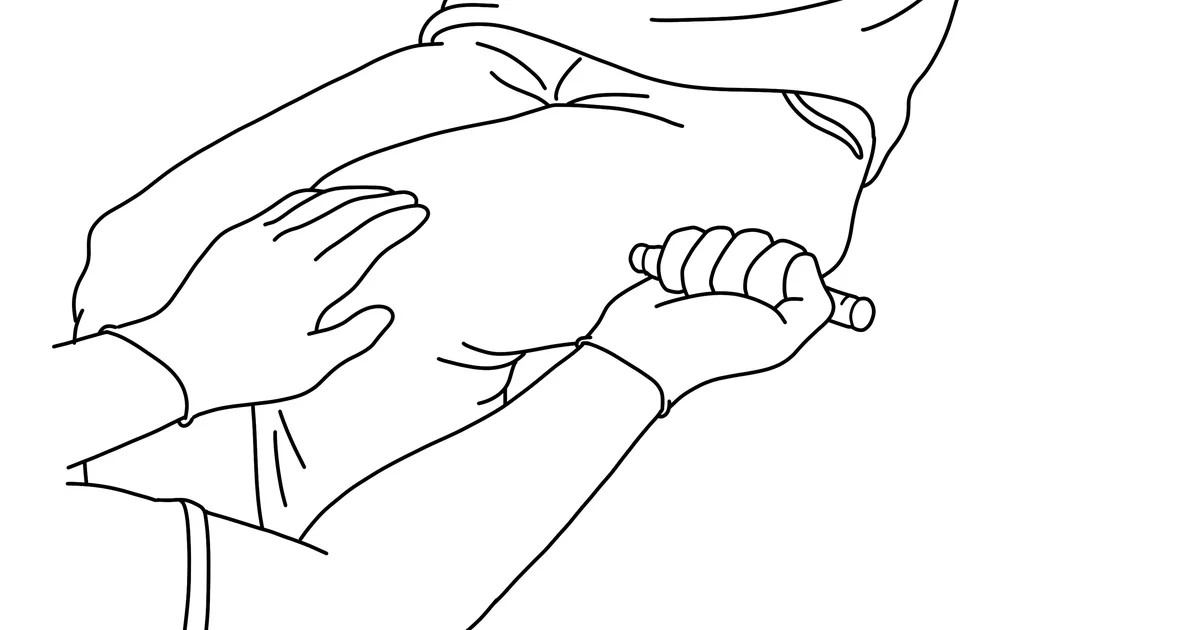

In short. The MHRA opened a consultation today on letting schools buy and hold spare adrenaline nasal sprays alongside the adrenaline auto-injectors they can already stock [1]. Its own document says "preparedness and training... are essential to support the safe and effective use of self-administered adrenaline products" [2], then states that "matters relating to training, implementation timelines, operational responsibilities, etc. fall outside the remit of the MHRA, and therefore not within the scope of this consultation" [2]. The same document twice points readers to "the draft Equality Impact Assessment" for its evidence base [2], but no such document is published, attached or linked anywhere on GOV.UK. Two documented mistakes: four stars.
Anaphylaxis can kill within minutes, and the only emergency treatment is adrenaline. Since 2017, an exemption in Schedule 17 of the Human Medicines Regulations 2012 has let schools in England buy and hold spare adrenaline auto-injectors, the familiar pen-style device, without a prescription for a named pupil [5]. That requirement became statutory rather than advisory this year: Benedict's Law, named for five-year-old Benedict Blythe, who died after an allergic reaction at school, made it compulsory from September 2026 for every school to stock spare auto-injectors, train all staff to use them, and hold a medical conditions policy for at-risk pupils [4]. Now the MHRA, the medicines regulator, wants to add a second type of device to the list. Adrenaline Nasal Spray, a needle-free alternative authorised in July 2025, could be held by schools on the same basis if ministers take the proposal forward [3]. The consultation opened today and closes at 11:59pm on 14 December 2026 [1].
The claims, tested
| The claim | What we found | Verdict |
|---|---|---|
| "Preparedness and training in the recognition of anaphylaxis and the correct and timely use of emergency adrenaline are essential to support the safe and effective use of self-administered adrenaline products in non-medical settings" [2] | The same document, a few paragraphs later in its own legal-duties assessment, states: "it is important to note that matters relating to training, implementation timelines, operational responsibilities, etc. fall outside the remit of the MHRA, and therefore not within the scope of this consultation" [2]. Training on the new device is a separate skill from training on an auto-injector: a nasal spray is pushed into a nostril rather than pressed against a thigh. Benedict's Law already makes "the use of adrenaline devices" part of every school's compulsory staff training from September 2026, at a cost schools report paying themselves [4] | The consultation names training as the condition that makes the policy safe, then declares the one body consulting on it has no remit over whether, how, or by whom that training happens for the new device |
| "Overall, we consider that the proposal is compatible with these duties... Further evidence is provided in the draft Equality Impact Assessment. This assessment will be reviewed and updated in light of evidence received through this consultation" [2] | The consultation page lists one attachment: the consultation document itself [1]. No draft Equality Impact Assessment is attached to the page, linked from the text, or returned by GOV.UK's own search for the proposal [1] | The document cites its own supporting evidence twice without making that evidence available to the people it is asking for feedback |
The mistakes, counted
Training named as essential, then ruled out of scope (1). The consultation's safety case rests on training: without it, the document's own words say self-administered adrenaline cannot be used safely in a school setting [2]. Yet the same document explicitly excludes training, implementation timelines and operational responsibility from what it is consulting on [2]. That leaves a gap between what the consultation says must happen for the policy to be safe and what it is actually gathering views on. Department for Education guidance on this point is promised only "should the government take forward this legislative change" [2], meaning the operational detail arrives, if at all, after the decision rather than as part of it.
An evidence base the public cannot check (2). Twice, the consultation points to "the draft Equality Impact Assessment" as the source of further evidence behind its conclusion that the proposal has no adverse impact on protected groups [2]. Nothing with that name appears on the consultation page, in GOV.UK's attachment list, or in a GOV.UK search for the proposal [1]. A document that asks parents, school staff and disabled people's organisations to weigh in on equality impact is citing an assessment none of them can read.
Credit where due
The underlying proposal is narrow and the safeguards it keeps are the ones already in place for auto-injectors: a named, at-risk pupil, trained staff, and parental consent recommended though not mandatory [2]. Nothing in the document inflates the clinical case: the MHRA states plainly that the new device "does not introduce new safety risks" because it is approved on the same basis as the existing one [2]. The consultation is also genuinely open: eight weeks, UK-wide, run jointly with Northern Ireland's Department of Health, and explicitly inviting views from people at risk of anaphylaxis as well as schools and clinicians [3]. And the named quotes are not evasive: Paul Whiteman of school leaders' union NAHT says plainly that "it's important that any proposals are safe, practical and properly supported, with clear guidance and training for school staff" [3], which is exactly the gap this piece identifies.
Verdict
Four stars, from two documented mistakes. Neither mistake is a claim that nasal sprays are unsafe for schools to hold; the clinical case for the product is sound and the consultation does not overstate it. The mistake is structural: a document that names training as the precondition for safety, then rules training outside its own scope, and that cites an impact assessment it never shows the reader. A consultation is only as useful as the evidence put in front of the people answering it. Here, the MHRA is asking schools and families to judge a policy against a safety mechanism and an equality assessment neither of them has been given sight of.
The star score counts two documented mistakes. First, the consultation's own text calls staff training "essential" to the safe use of self-administered adrenaline, then states that training, implementation timelines and operational responsibilities "fall outside the remit of the MHRA" and are "not within the scope of this consultation". Second, the consultation cites "the draft Equality Impact Assessment" twice as the evidence behind its no-adverse-impact conclusion, but no such document is attached to the consultation page, linked from its text, or returned by a GOV.UK search for the proposal. Two falls in the 1 to 3 band: four stars; the bands are on the ratings page. This piece makes no finding about the clinical safety of adrenaline nasal sprays themselves. Checked directly against the MHRA consultation document, the MHRA's and Department for Education's press releases, and a GOV.UK search for the cited assessment, all fetched 19 October 2026.
Sources
- Consultation on schools holding Adrenaline Nasal Sprays for anaphylaxis, Medicines and Healthcare products Regulatory Agency, published 19 October 2026
- Consultation on schools holding Adrenaline Nasal Sprays for anaphylaxis (full document), Medicines and Healthcare products Regulatory Agency
- MHRA consults on proposals to allow schools to keep spare adrenaline nasal sprays on site, Medicines and Healthcare products Regulatory Agency, published 19 October 2026
- Stronger protections for children with allergies in school, Department for Education, published 5 March 2026
- The Human Medicines Regulations 2012, Schedule 17, legislation.gov.uk