At its launch, the government had Jamie Oliver promise new school food standards would come with 'proper monitoring to make sure they're followed'. Its consultation response admits that monitoring is still being built, and that Ofsted will not grade a single school against it.
Estimated reading time: 7 minutes

In short. At the government's launch of the revised School Food Standards on 14 September 2026, Jamie Oliver told the cameras the standards "won't just live on paper, but have proper monitoring to make sure they're followed" [1]. The consultation response published that same day says the compliance framework will "strengthen accountability" (page 5), then states 25 pages later that "we are continuing to develop the national compliance monitoring system with relevant partners" and that "inspectors will not grade schools on school food or compliance with the standards" (pages 29-30) [2]. Five months earlier, the school the department itself named as its exemplar for the reforms told Schools Week its funding was "not sufficient", after finding an extra £16,652 to cover last year's shortfall [3]. Three documented mistakes: four stars.
On 14 September 2026, the Department for Education launched the first update to the School Food Standards in over a decade, standing Jamie Oliver and Dame Emma Thompson alongside Education Secretary Lucy Powell to announce it [1]. Oliver, campaigning on the issue for 25 years by his own account, gave the government its headline: the new standards would have "proper monitoring to make sure they're followed, so we know where we need to deploy care, love and support" [1]. Powell called the package "once-in-a-generation changes that will transform school food for children across the country" [1].
The document published alongside that launch, the government's 36-page response to a consultation that drew 5,216 submissions, sets out what is actually changing: deep-fried food banned, wholegrain pasta and higher-fibre bread required, honey and syrups restricted at breakfast, cheese capped, and dedicated breakfast standards for the first time [2]. Subject to Parliamentary approval, regulations are due to be laid in October 2026, most of it applying from September 2027 and a smaller set of secondary-school requirements phased to September 2028 (page 9) [2]. Read past the launch quotes, the same document is candid about how far the enforcement side of that promise has actually got.
The framework that strengthens accountability, and the system still being built
The introduction states plainly: "To support implementation of the School Food Standards, the government will introduce a national compliance framework from September 2027. The framework will strengthen accountability and openness in relation to school food provision. Alongside this, the government is developing a national system for monitoring compliance with the School Food Standards" (page 5) [2].
By the time the response reaches its own list of changes made following consultation, that framework has narrowed considerably. The government has decided to "work with Ofsted so that relevant information from this monitoring can also be provided to inspectors", but "inspectors will not grade schools on school food or compliance with the standards", and the information will instead "form part of wider conversations inspectors have about leadership and governance at a school" (page 29) [2]. The monitoring system itself, the mechanism that would let anyone check whether a school is following the new rules at all, is not described beyond a single line: "we are continuing to develop the national compliance monitoring system with relevant partners" (page 30) [2]. No named partners, no design, no date for when it will exist, published in the same document that sets a September 2027 start date for the standards it is meant to check.
The exemplar school the money doesn't cover
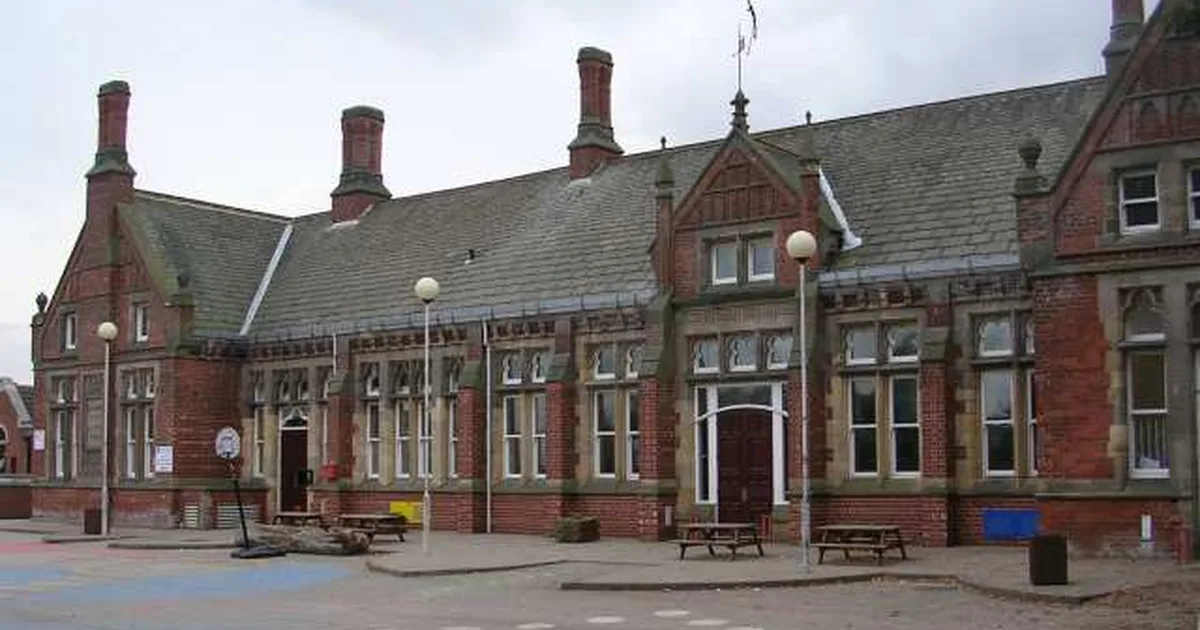
The funding side has its own gap, and a live example. When the department launched its consultation on these reforms in April 2026, it cited The Grove School in Devon as a model of what good school food already looks like, meals "freshly prepared on site, with a daily choice of main or alternative, a varied salad bar, fresh fruit and water always available" [3]. Asked by Sky News and BBC Breakfast whether schools could afford the changes, the minister then responsible for school food, Olivia Bailey, said she was "really confident that schools will be able to deliver really great quality, healthy food with the meal rate that they have", and that many schools were already doing so "really effectively and efficiently with their budgets" [3].
The department's own exemplar did not agree. The Grove's headteacher, Hilary Priest, told Schools Week that current funding levels were "not sufficient": the school is allocated £495 a year, £2.61 a day, for every free-school-meal pupil, charges paying families £2.75 a meal and said that "isn't enough" either, and had "to find £16,652 extra" last financial year to cover the shortfall [3]. When Schools Week asked the department for examples of schools managing well on the standard rate, "it did not name any directly" [3].
Funding: asked for, never answered
That gap is not confined to one school. Respondents to the consultation raised funding as their single most common concern under the heading "Deliverability, funding, and implementation": "Schools, caterers and local authorities raised concerns about higher ingredient, labour, energy, and equipment costs" and said "both adequate funding and practical support were essential to ensuring the sustainability of some catering options" (page 11) [2]. Summarising the same theme later, the response records that "many respondents also called for adequate, protected funding and a monitoring system that is robust but proportionate" (page 29) [2].
The government's answer to that ask, across all three documents it published alongside the launch, the 36-page response, the supplementary annexes, and the equality impact assessment, is guidance, not money. A full-text search of all three for "funding" returns matches only inside the sections summarising what respondents said; not one appears inside a government decision [2] [4] [5]. The government's commitment instead is to "publish guidance and practical support", "model menus, recipes, procurement prompts, communication materials and case studies" (page 34) [2].
A review with no date
The response's closing section promises oversight in the same loose terms as the monitoring system: "The government will keep implementation under review through considering feedback from schools, trusts, caterers, local authorities, suppliers, parents and pupils as the sector prepares for the revised standards and once they come into force" (page 35) [2]. No date, no named trigger, no stated form the review would take, for a rollout that runs in two stages to September 2028.
The claims, tested
| The claim | What the documents show | Verdict |
|---|---|---|
| "Proper monitoring to make sure they're followed" (Jamie Oliver, at the government's own launch) [1] | The consultation response published the same day says the monitoring system is still being developed "with relevant partners", with no design or date, and that Ofsted "will not grade schools on school food or compliance" (pages 29-30) [2] | The system does not exist yet |
| Schools "will be able to deliver really great quality, healthy food with the meal rate that they have" (Olivia Bailey, then the minister for school food) [3] | The department's own named exemplar, The Grove School, says the rate is "not sufficient" and found £16,652 extra to cover the gap; the department could not name a school managing on the rate alone when asked [3] | The reassurance is contradicted by the government's own example |
| Respondents said "adequate, protected funding" was essential to delivery (page 29) [2] | Across the response, annexes and equality impact assessment, funding appears only as a respondent concern, never as a government commitment [2] [4] [5] | The ask was never answered |
Credit where due
Most of what is changing is a genuine tightening, not a rebrand. Deep-fried food is being removed from menus, bread and pasta must carry more fibre, dedicated breakfast standards exist for the first time, and cheese and desserts are capped rather than left open-ended (pages 8, 19-23) [2]. The consultation itself was substantial, 5,216 responses analysed and published in a detailed supplementary annex, and the government moved on genuine feedback: it dropped a proposed 50% raw-weight rule for fruit in desserts, restored fermented milk drinks, and gave secondary schools an extra year on cheese and pulses after caterers raised deliverability concerns (pages 8-9, 25) [2]. The equality impact assessment takes SEND, ARFID and sensory needs seriously rather than as an afterthought, and faith schools keep an explicit exemption from the milk requirement (page 32) [2]. Phasing the harder secondary-school changes to September 2028 is a reasonable answer to the sector's own warnings about pupil take-up and food waste, not a delay dressed up as one.
Three documented mistakes. (1) The government's own launch quoted Jamie Oliver promising "proper monitoring to make sure they're followed", but the consultation response published the same day says the monitoring system is still being developed with unnamed partners and that Ofsted will not grade schools against it. (2) The minister responsible for school food told broadcasters schools could deliver on their existing budgets, a claim the department's own named exemplar school contradicts on the record, and the department could not name a school managing on the rate alone when a journalist asked. (3) Respondents told the consultation that "adequate, protected funding" was essential to delivery; across the 36-page response, its supplementary annexes and its equality impact assessment, no government funding commitment answers that ask anywhere. Rated four stars out of five.
Sources
- Healthier school dinners as government delivers major reforms (GOV.UK news, Department for Education, 14 September 2026)
- School Food Standards: updating the legislative framework, government consultation response (Department for Education and Office for Health Improvement and Disparities, PDF, September 2026)
- School food funding 'not sufficient', says school praised by DfE (Schools Week, 23 April 2026)
- School Food Standards: updating the legislative framework, government response supplementary annexes (Department for Education, PDF, September 2026)
- School Food Standards: updating the legislative framework, equality impact assessment (Department for Education, PDF, September 2026)